Support Our Project!
About Us
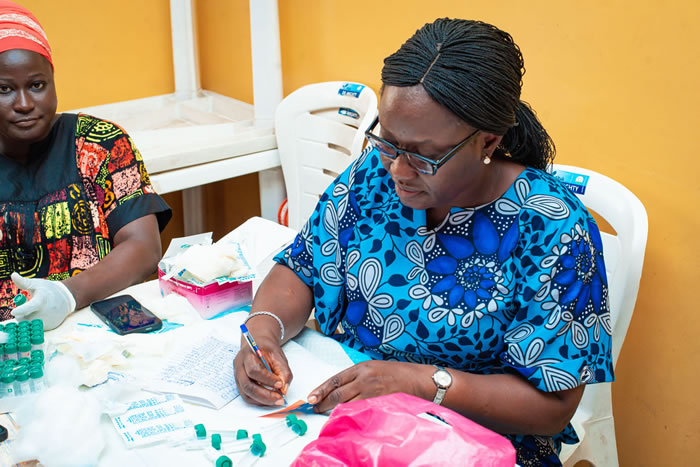
The Gamaliel Ayeyemi Foundation (GAF) is a Non Governmental Organization based in Nigera. GAF is established to provide support to children living with sickle cell disease, support treatments and cures, raise awareness, advocate for better access to healthcare, and ultimately improve the quality of life for those affected by the disease by educating the public, healthcare professionals, and policymakers about sickle cell disease and its challenges...
Vision & Mission
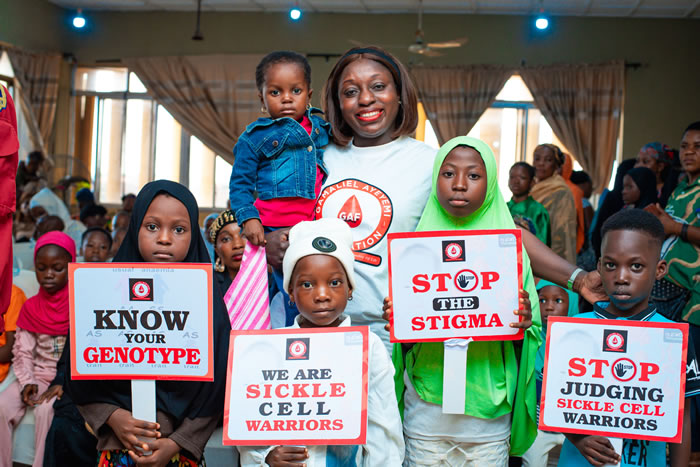
Vision: Seeing a future where individuals with sickle cell disease can live healthy and fulfilling lives, free from the limitations imposed by the disease, achieved through widespread awareness and accessible treatment.
Mission:
- Improve Health Outcomes for Sickle-Cell Patients

From the Founder
Welcome to Gamaliel Ayeyemi Foundation. When I conceived the idea to start an NGO for Children living with Sickle Cell in 2024, the name that came to my mind was “Gamaliel Ayeyemi Foundation”.

Advocacy
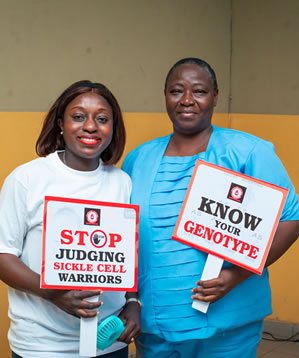
Gamaliel Ayeyemi Foundation (GAF) advocates for children with sickle cell disease (SCD). This includes raising awareness, educating the public, and working to improve healthcare...
0
Annual SCD Deaths of Children under 5 Years
0
SCD Carriers
0
Annual SCD Births
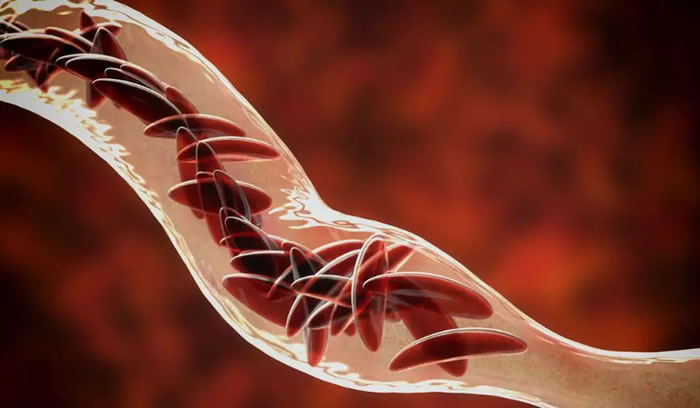
What Is Sickle Cell Disease?
Sickle cell disease is a group of conditions in which red blood cells are not shaped as they should be. Red blood cells normally look like round discs. But in sickle cell disease, they're shaped like sickles, or crescent moons, instead.
The sickle shaped cells cause problems because:
- They are stiff and sticky and block small blood vessels when they get stuck together. This stops blood from moving as it should, which can lead to pain and organ damage.
- They break down faster than normal red blood cells. That leads to too few red blood cells, a condition called anemia.
Know more about SCD
What Causes Sickle Cell Disease?
Sickle cell disease is a group of conditions passed down in families through their genes. The type of sickle cell disease a person has depends on the hemoglobin genes each parent passes down to them...
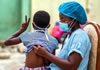
How Is Sickle Cell Disease Treated?
Sickle cell disease is a lifelong condition. Treatment helps people with sickle cell disease avoid problems and stay active. A treatment plan includes...
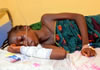
What Problems Can Happen?
People with sickle cell disease can have problems that need care by a doctor right away, such as:
- Acute chest syndrome: This is caused by...
How Can Parents Help?
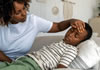
When your child has sickle cell disease there is a lot you can do to help: Learn all you can about sickle cell disease. Tell all caregivers about the condition, how to care for...
Achieving the Sustainable Development Goals (SDGs) for health in Nigeria will include addressing sickle cell disease (SCD), a chronic non-communicable disorder (NCD).
Gamaliel Ayeyemi Foundation is in partnership with the SDGs.


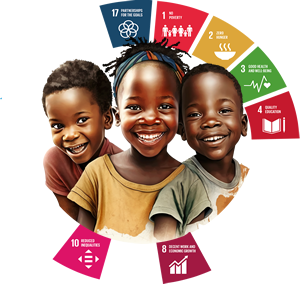
How GAF supports the SDGs
Goal 1: No Poverty:
- Shelter for the homeless
- Skills Acquisition Programs
Goal 2: Zero Hunger:
- Food Package Distribution at Community Outreaches
SDG Goal 2, "Zero Hunger," is relevant to sickle cell anemia because the disease can significantly impact a person's ability to access and absorb nutrients from food, contributing to malnutrition, which directly contradicts the goal of ending hunger and achieving food security for all.
Key points connecting sickle cell anemia and SDG Goal 2:
-
Malnutrition risk:Sickle cell disease can cause complications like chronic pain, which may lead to reduced appetite and difficulty eating, leading to malnutrition, particularly in children who are already vulnerable to nutritional deficiencies.
-
Access to healthcare:Individuals with sickle cell anemia often require consistent medical care to manage complications, which can be hindered by limited access to healthcare, further impacting their ability to access proper nutrition.
-
Geographic distribution:Sickle cell anemia is prevalent in regions with high rates of malnutrition, particularly in sub-Saharan Africa, where access to nutritious food can be limited.
How addressing sickle cell anemia can contribute to achieving SDG Goal 2:
-
Early diagnosis and treatment:Implementing widespread screening programs to identify individuals with sickle cell disease early allows for better management of complications and improved nutritional status.
-
Nutritional counseling:Providing tailored nutritional advice to people with sickle cell anemia can help them make informed dietary choices to mitigate malnutrition risks.
-
Strengthening healthcare systems:Improving access to quality healthcare in affected regions can enable better management of sickle cell disease and its associated nutritional challenges.
Goal 3: Good Health and Well-being:
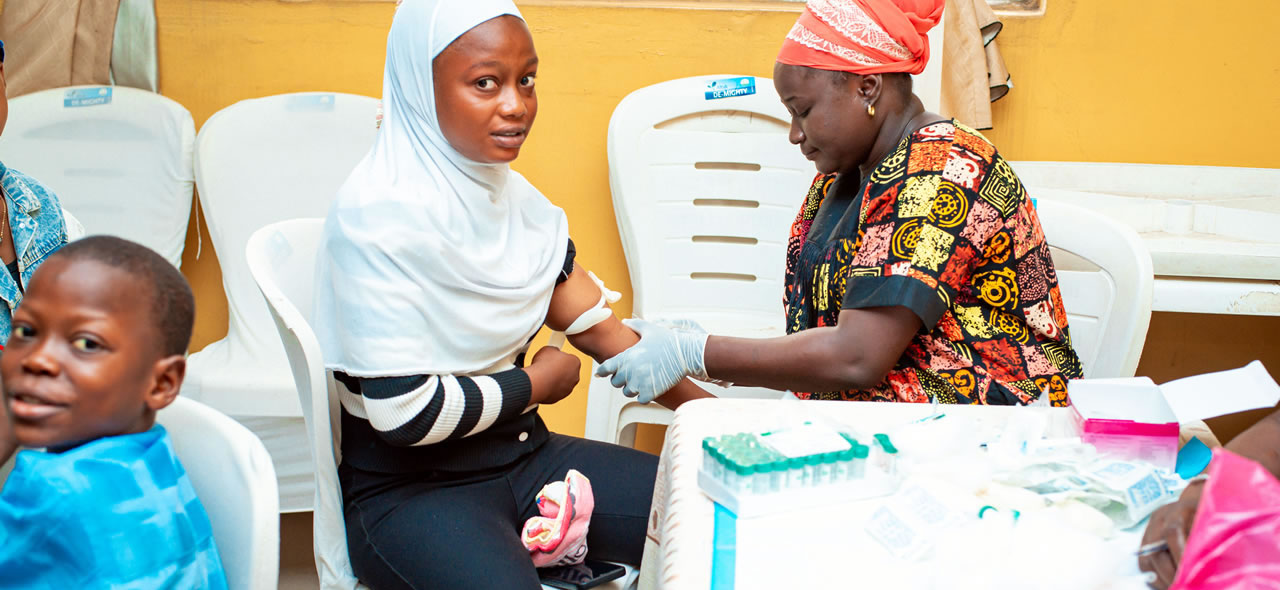
- Improve access to diagnosis and treatment
- Invest in healthcare infrastructure
- Train local healthcare providers
- Develop affordable treatment options
- Foster international collaborations
- Fund research initiatives
- Translate research findings into practical applications
- Address cultural, ethical, and economic barriers
- Integrate screening with other programs
- Integrate screening with genetic counseling and education
Goal 4: Quality Education:
SDG Goal 4, which focuses on ensuring inclusive and equitable quality education and promoting lifelong learning for all, is relevant to sickle cell anemia because the disease can significantly impact a child's ability to access and participate in education due to frequent pain crises, complications requiring hospitalization, and the associated stigma, highlighting the need for targeted interventions to support children living with sickle cell anemia in their educational journey.
Key points connecting sickle cell anemia and SDG Goal 4:
-
Access to education:Children with sickle cell disease may miss school frequently due to illness, impacting their learning continuity and potentially leading to educational disadvantage.
-
Stigma and discrimination:The stigma associated with sickle cell anemia can prevent children from fully participating in school activities and social interactions, affecting their overall well-being and educational attainment.
-
Need for awareness and support:Schools and communities need to be educated about sickle cell anemia to provide appropriate support and accommodations for students living with the disease.
-
Early detection and management:Implementing newborn screening programs for sickle cell anemia can enable early intervention and management, improving children's health and allowing them to attend school more regularly.
How to address this connection:
-
School-based awareness campaigns:Educate students, teachers, and staff about sickle cell anemia to promote understanding and reduce stigma.
-
Individualized learning plans:Develop flexible learning plans for students with sickle cell anemia to accommodate their medical needs and potential absences.
-
Collaboration with healthcare providers:Partner with healthcare professionals to provide necessary medical support and monitor the health of students with sickle cell disease.
-
Policy changes:Advocate for policies that support children with sickle cell anemia in accessing education, including accommodations and necessary medical services.
Goal 8: Decent Work and Economic Growth:
SDG Goal 8, which focuses on promoting sustained, inclusive, and sustainable economic growth, employment, and decent work for all, is significantly impacted by sickle cell anemia due to the disease's potential to hinder economic participation and productivity, particularly in regions where it is highly prevalent, often affecting individuals in their most productive years of life due to complications and frequent health crises associated with the disease; therefore, addressing sickle cell anemia through improved access to healthcare, screening, and treatment is crucial for achieving SDG Goal 8.
Key points connecting sickle cell anemia and SDG Goal 8:
-
Reduced workforce participation:People with sickle cell anemia often experience frequent pain crises and other complications that can lead to absenteeism from work, impacting economic productivity and hindering career advancement opportunities.
-
Disproportionate impact on vulnerable populations:Sickle cell anemia is particularly prevalent in low-income regions, where access to healthcare is often limited, further exacerbating the economic burden on individuals and communities affected by the disease.
-
Impact on education and skills development:Children with sickle cell anemia may miss school due to health issues, limiting their educational attainment and potential future employment opportunities.
-
Need for targeted interventions:To achieve SDG Goal 8, interventions like newborn screening, accessible treatment options (including hydroxyurea), and comprehensive healthcare management programs are crucial for people living with sickle cell anemia.
How addressing sickle cell anemia contributes to SDG Goal 8:
-
Increased workforce participation:By providing effective treatment and managing complications, individuals with sickle cell anemia can participate more actively in the workforce, contributing to economic growth.
-
Improved productivity:Early diagnosis and proper management can minimize work disruptions caused by sickle cell crises, enhancing overall productivity.
-
Empowering individuals and communities:Addressing sickle cell anemia can empower individuals and communities to reach their full economic potential, promoting social inclusion and reducing poverty.
Goal 10: Reduced Inequalities:
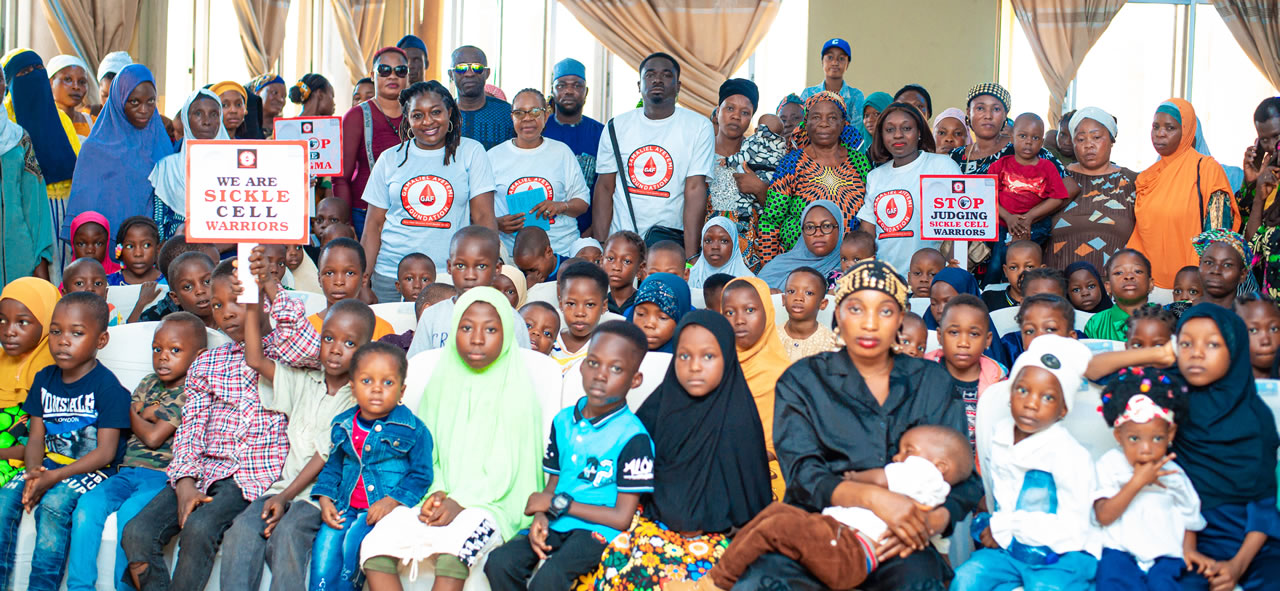
- Initiatives to reduce Stigma & Discrimination against persons with SCD
Goal 17: Partnerships for the Goals:
- Partnerships with Government & Private Sector to drive SCD Initiatives.